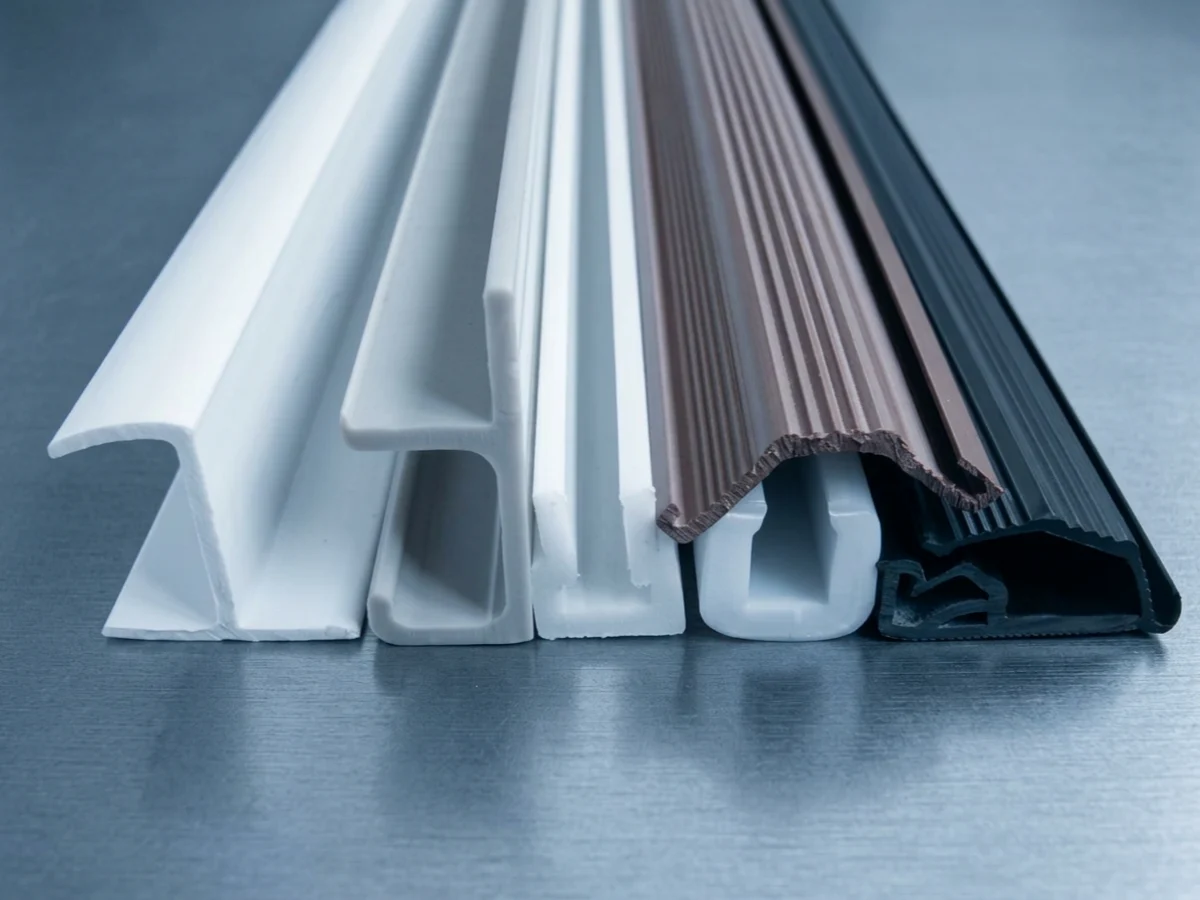
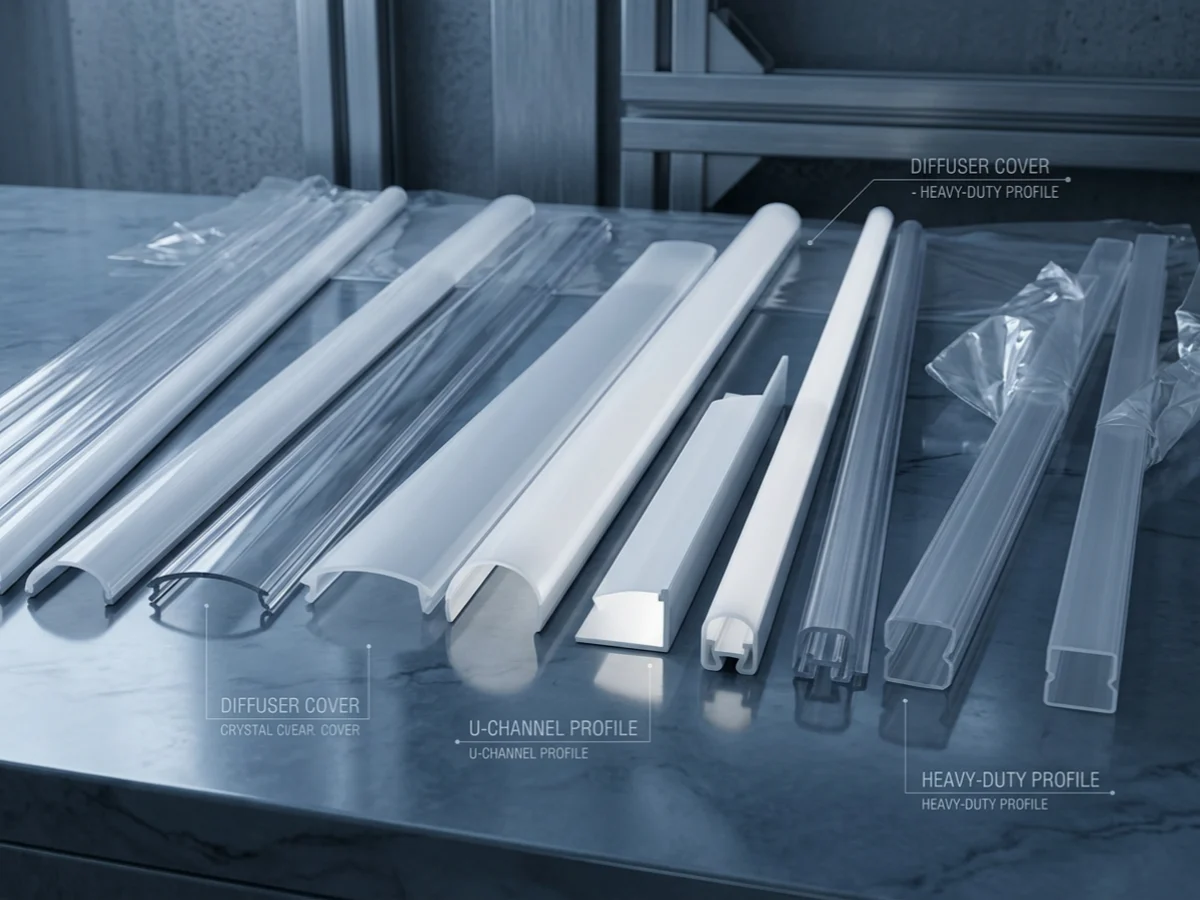
Q1What is included in a custom single screw extrusion line?
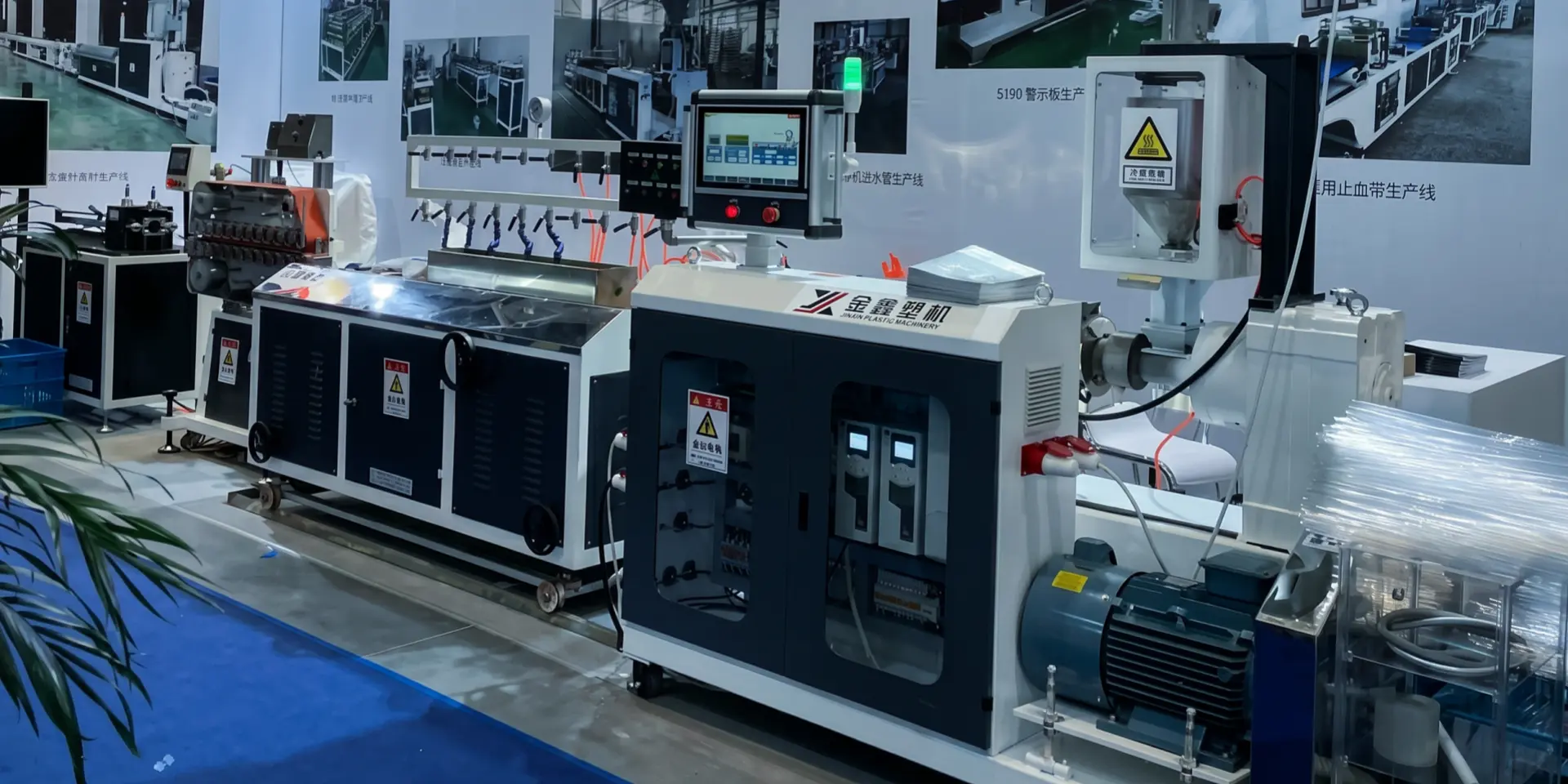
A custom single screw extrusion line is a complete production system configured around one target product, not just a standalone extruder. It usually includes feeding, single screw extruder, die, calibration or cooling, haul-off, cutting or winding and control system. The word custom means the screw, die, cooling length, downstream speed and control logic are matched to your material, product size, quality requirement and factory conditions.
Q2Do you sell standard catalog extrusion lines?
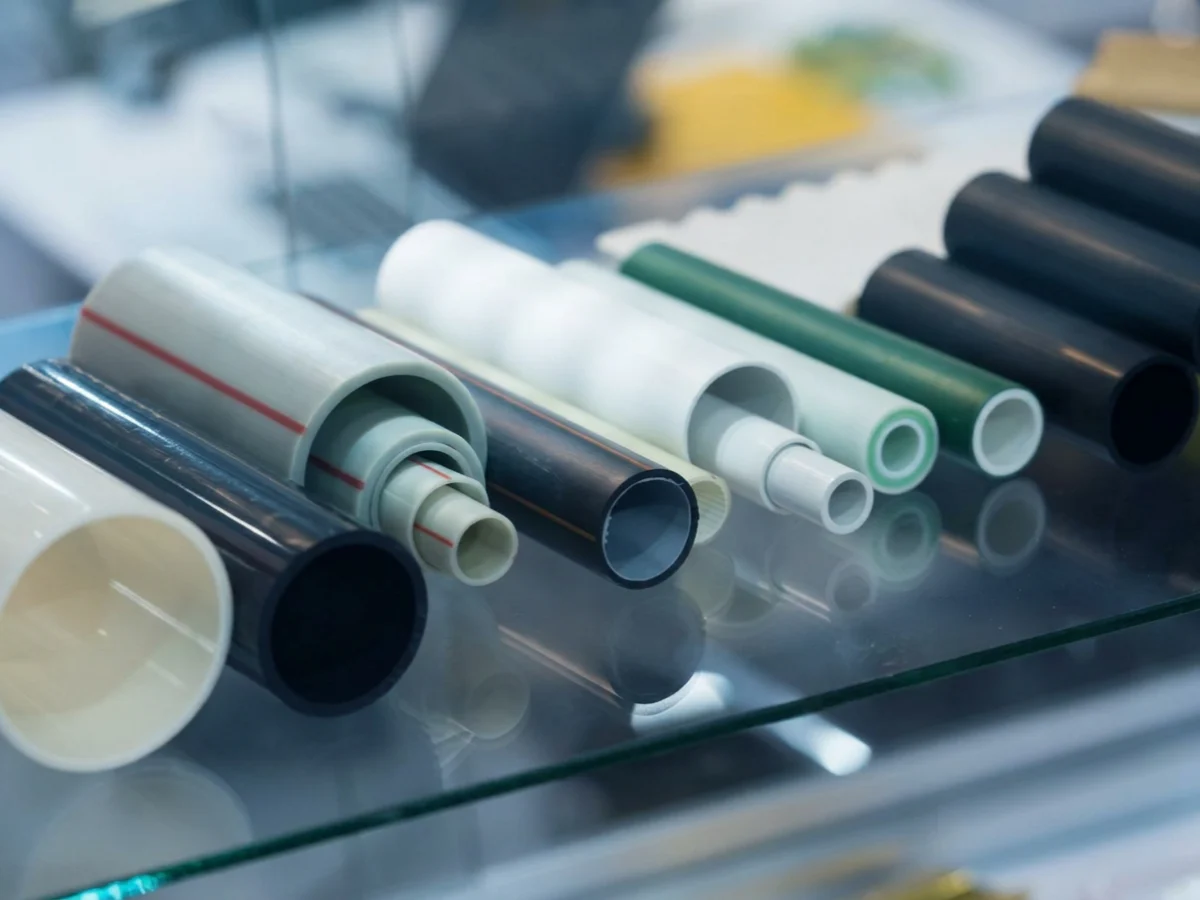
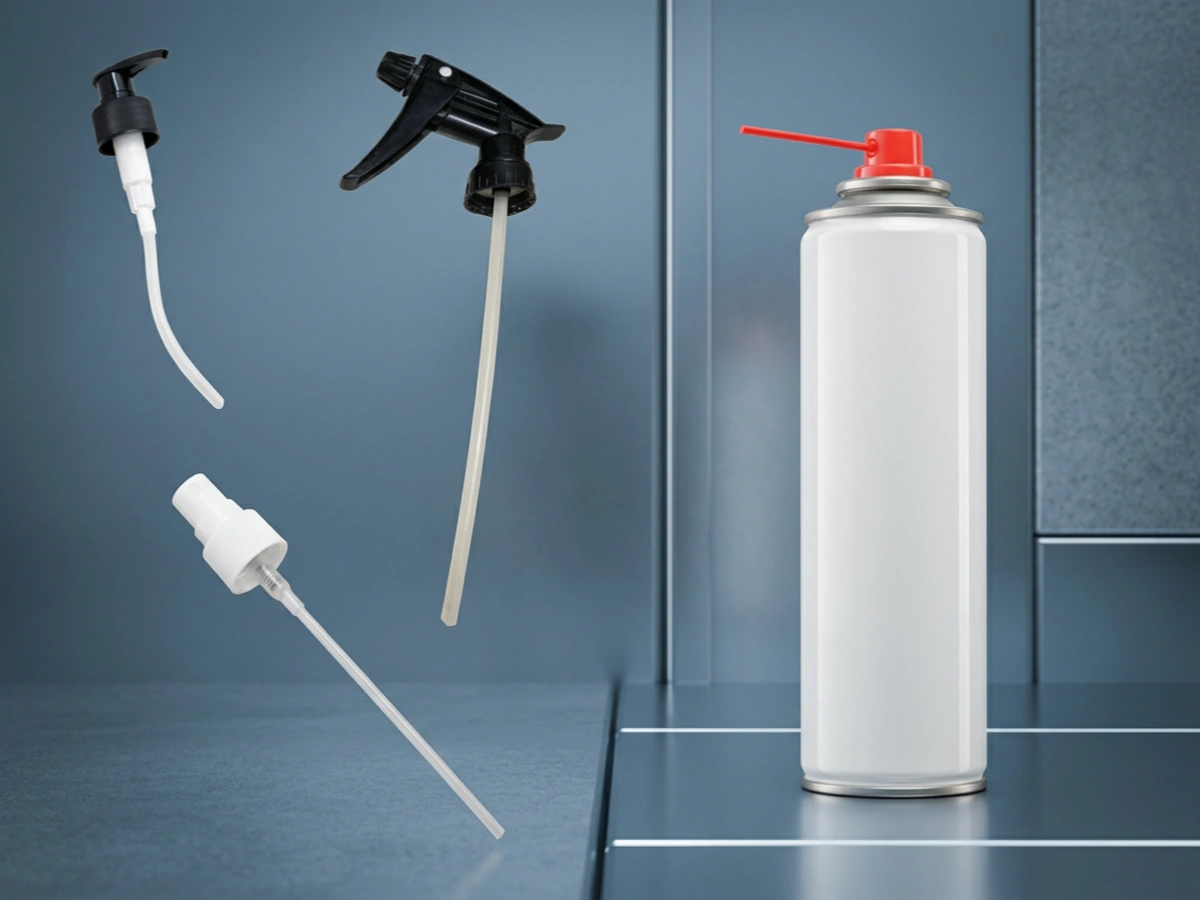
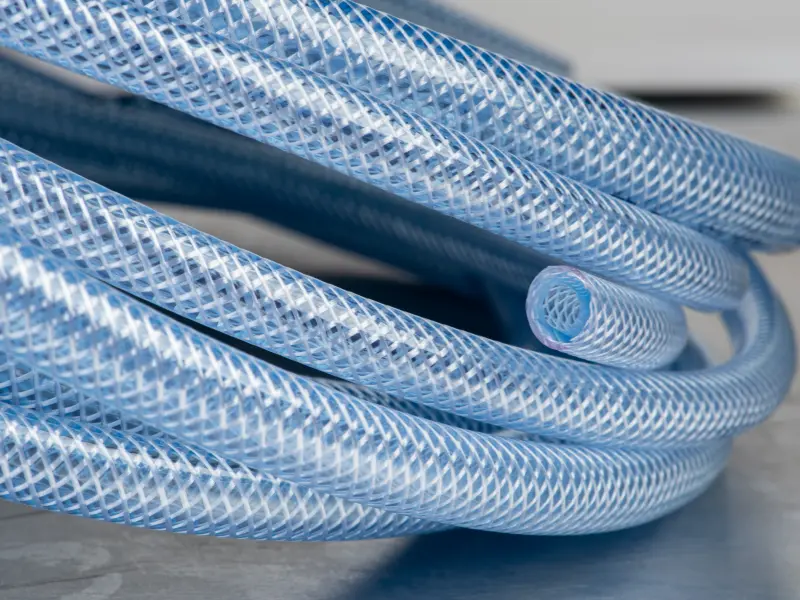
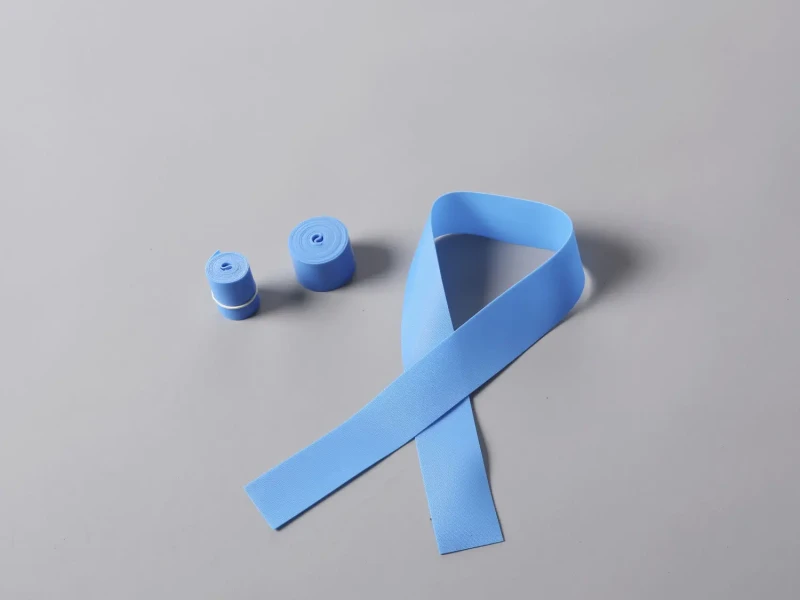
No. The product type may be standard, such as PPR pipe, dip tube, PVC braided hose or TPE band, but the actual line configuration is not a fixed catalog model. Even two buyers making the same product category may have different dimensions, materials, output expectations, factory voltage and tolerance requirements. That is why we quote by configuration.
Q3What materials can your single screw extrusion lines process?
Our single screw extrusion lines are designed for pellet or granule thermoplastics, including PVC compound, PP, PE, PC, PMMA, ABS, TPU and TPE. We do not use single screw lines for rigid PVC dry blend or powder processing. That usually requires a conical twin screw extrusion process.
Q4How much does a custom single screw extrusion line cost?
The cost depends on product size, material, line structure, control system, downstream equipment and tooling requirements. A simple single-product line and a multi-layer reinforced hose line are not priced the same way. Jinxin provides configuration-based quotations, so you can see what is included in the line scope instead of receiving a low starting price that changes later.
Q5What should I send before requesting a quotation?
Please send your product type, material, size range, wall thickness or drawing, target quality requirement, expected capacity range and factory voltage. For modified materials such as special TPE compounds, we may ask for sample pellets before production testing so the die and process can be checked with your actual material.
Q6Can one line produce different sizes by changing the die tooling?
Yes, within the designed range of the line. Many pipe and hose lines can produce different sizes with different die tooling and process settings. However, a new die core and sleeve should be recalculated, not simply copied by proportional scaling from an old size. Product size, wall thickness, material flow, drawdown, cooling and haul-off speed all affect whether the new size can run stably.
Q7Do you test the maximum output before shipment?
We focus first on stable product size and forming quality. Maximum output is usually estimated from screw size, motor power, material behavior, cooling length and downstream stability. Running a full maximum-output test can waste large amounts of customer material. Once the product runs stably, an experienced operator can increase speed step by step within the practical production range.
Q8How do I choose between single screw and twin screw extrusion?
Single screw extrusion is usually suitable for pre-compounded pellets or granules, such as PP, PE, PVC compound, PC, PMMA, TPU and TPE. Twin screw extrusion is used when the material needs intensive mixing, powder processing, compounding or reactive processing before forming. If you are not sure, send us your material information before quoting.
Q9What is the difference between an extrusion line and an extruder?
Plastic extruder machines contain the core machine body: screw, barrel, motor and control. A complete custom single screw extrusion line adds the die, calibration, cooling, haul-off, cutting or winding, and the controls needed to run them as one production system. When Jinxin describes a custom line, it means the complete configured production system rather than only the standalone extruder.
Q10Why choose single screw extrusion for pipe, hose and profile production?
Single screw extrusion is widely used for pre-compounded pellet materials such as PP, PE, PVC compound, PC, PMMA, TPU and TPE. It offers stable output, straightforward screw design, lower maintenance cost and easier process control compared to twin screw systems, which are better suited for mixing, compounding or powder processing.